


Central America
Honduras Yellow Honey Liquidambar
Honduras Yellow Honey Liquidambar
Couldn't load pickup availability
This single farmer microlot was produced by Roberto Rene Gonzalez on his family's 37 acre farm called Liquidambar. He was the first in his community to earn a university degree and returned home to help manage the family farm and support his local community with his knowledge and expertise. Roberto's goal is to turn his family farm into a tourist destination by having it recognized as a nature preserve due to its biological diversity.
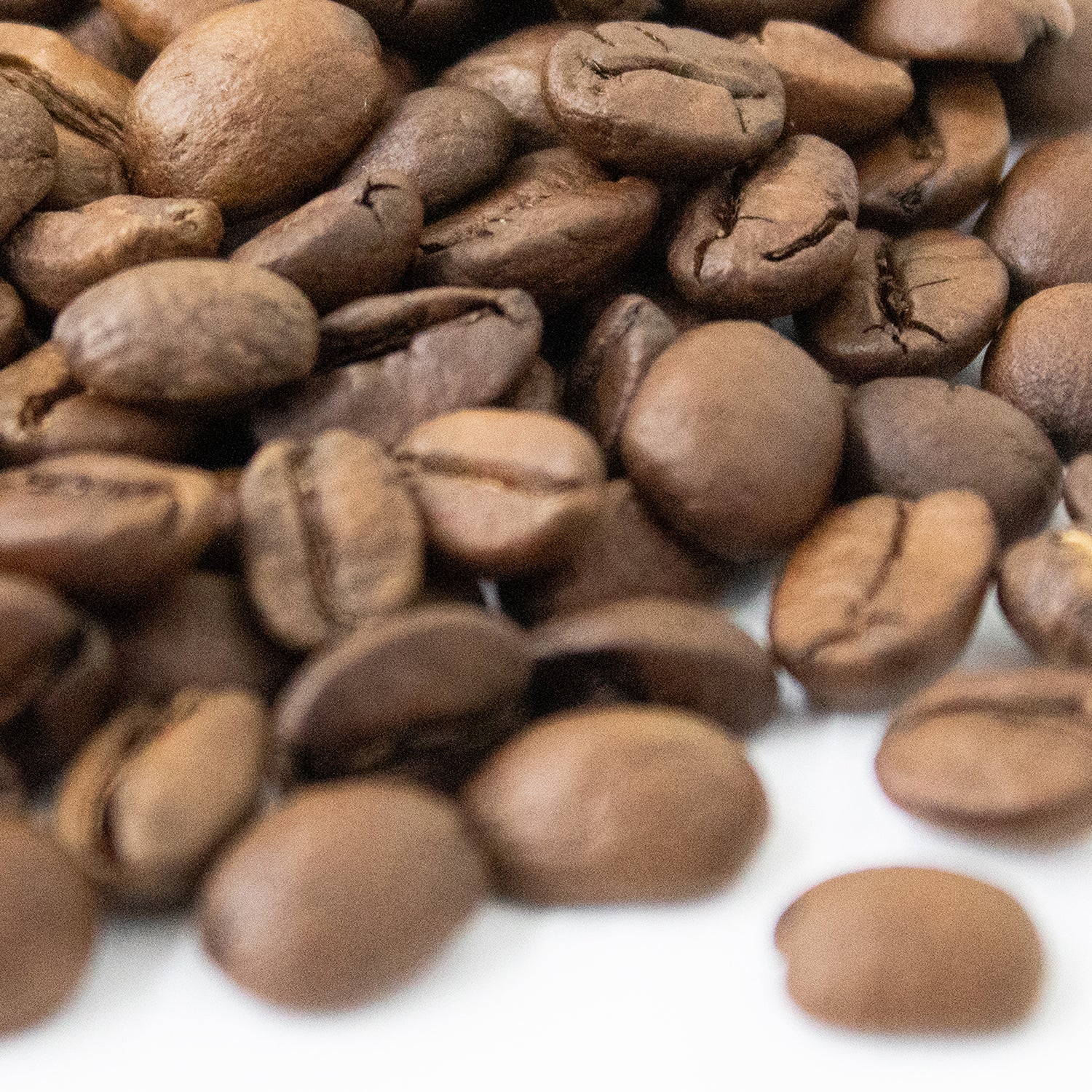
It's fantastic when you roast it light and brew it as coffee, (citrus, herbs, sugar cane, floral) but if you roast it almost to the second cracks, try it as espresso. You will get creamy chocolatey notes with some fruity acidity. Honey coffees create a lot of crema, which makes it fun to pull them as straight espresso.
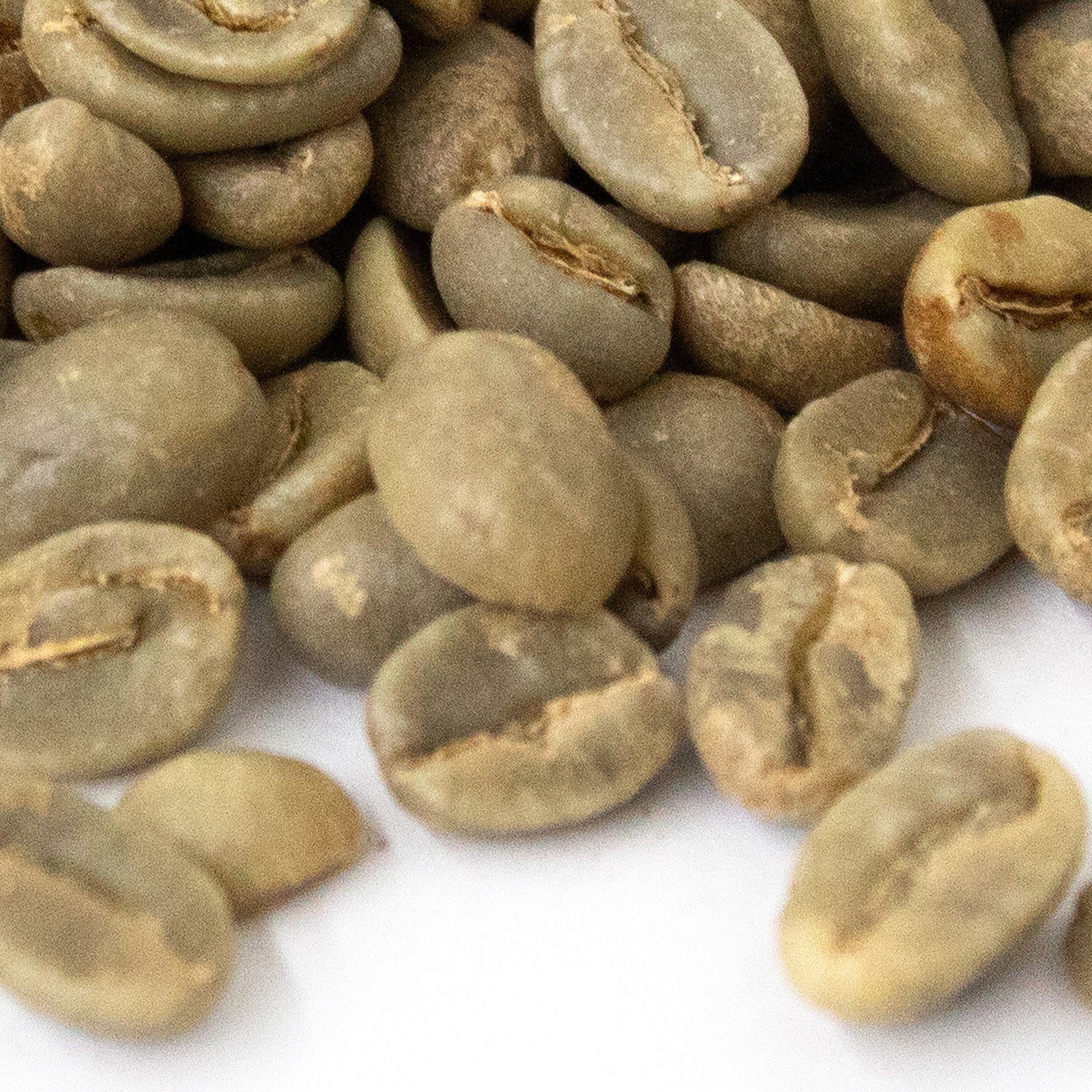
By definition, a honey coffee has had the sugars of the coffee fruit imbued into the pit during the processing, so it is a delicate bean that is susceptible to scorching. Home roasting units won't have a problem, but if you have a large drum roaster, don't preheat it above 350 degrees. Charging your drum too hot before dropping the beans into it will scorch them and ruin your batch. Once the roast is underway, nudge the heat up gently, evenly, get it through the 1st cracks, maybe wait 30-40 more seconds, let it out. If in doubt, err on the side of being too light. For coffee, we do a "City Roast" on this one. A few degrees darker than a natural Ethiopian, but not anywhere close to 2nd cracks. As you get darker, its still nice, but it loses its undertones. As you get into the 2nd cracks the sugars burn and it loses its appeal altogether. Try to keep the roast at 15 minutes or less. We also turn the exhaust fan down towards the end which lets the smoke mingle with the beans and speeds up the roast without adding more flame.
US Arrival June 2026
Share